HOW WE WORK
One workflow at a time,
on the systems you already run
We don't sell transformation programs. We take one workflow that hurts, rebuild it properly, run it until it's trusted, and hand it back. Then, usually, you bring us the next one.
A concrete example
A workflow we see everywhere: supplier invoices arriving by email. The manual says invoice arrives, gets entered, gets approved, gets paid. Here's the version we actually find — and what it becomes.
TODAY — AS FOUND ON THE FLOOR
hundreds of senders PDFS · SCREENSHOTS
· SPREADSHEETS RE-KEY BY HAND
two people, afternoons FIX_LATER
the folder ERP
REBUILT — SAME PEOPLE, SAME ERP, NO MIGRATION
reads every format MATCH TO PO
plain software MODEL
drafts the judgment calls HUMAN GATE
same two people, one click ERP
unchanged
EVERY DECISION LOGGED WITH ITS REASONING · EXCEPTIONS AND BIG AMOUNTS ALWAYS ROUTE TO PEOPLE
What gets a model — and what doesn't
Most of a rebuilt workflow is ordinary software, because most steps are predictable. Models are reserved for the judgment calls, and accountability is never automated at all.
The four phases
01 · SPRINT
Locate the value
Embedded with the team that runs the workflow. You get an operating map of how the work actually happens, an honest list of what shouldn't be automated, and a priced proposal. Fixed price, quoted before we start. If the numbers don't justify building, we say so and stop.
02 · BUILD
Rebuild the mechanism
The engineers who did the sprint do the build, in your repositories. Eval suites are written against your real historical cases before anything touches production.
03 · OPERATE
Prove it under load
Shadow mode alongside the current process until measured accuracy earns autonomy, step by step.
04 · HANDBACK
Own the new baseline
The engagement ends deliberately. Your team runs the system; we're on call, not on retainer.
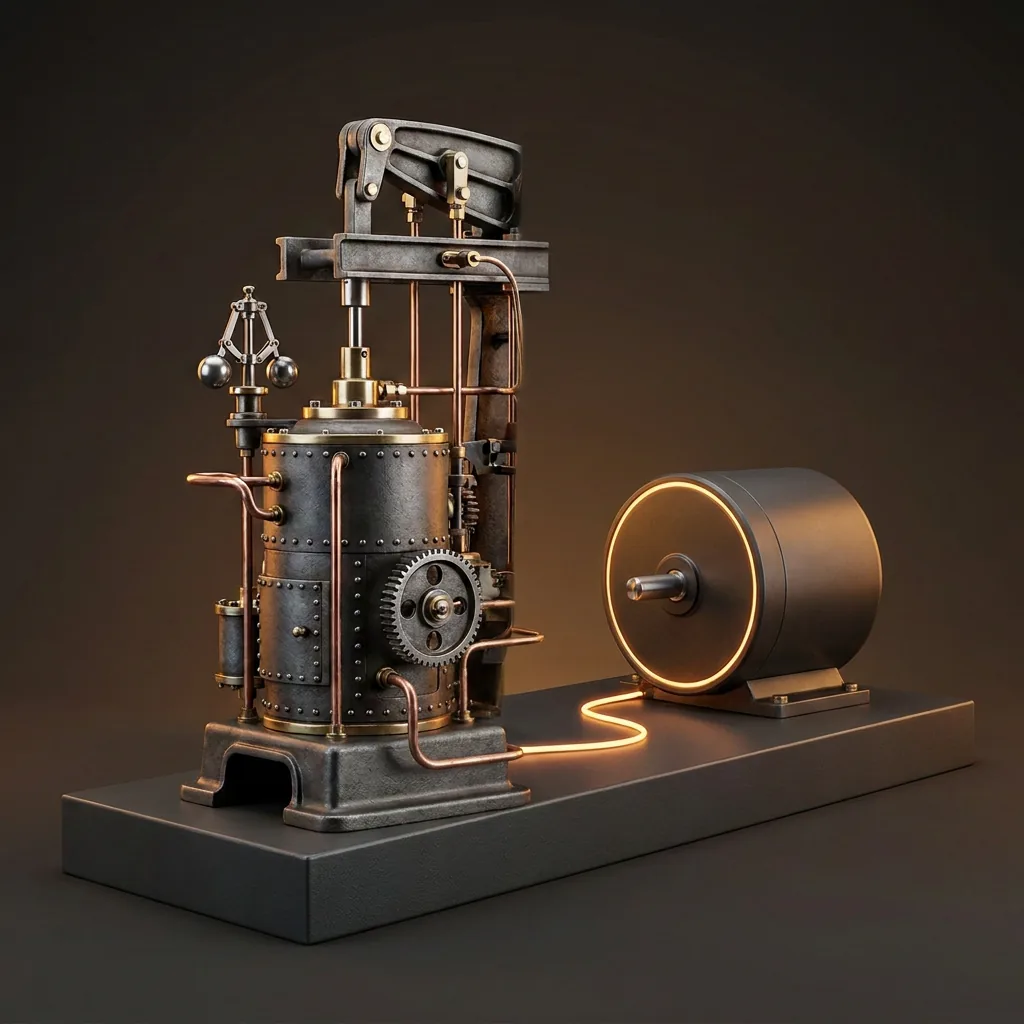
The machines, if you'd like to look closer
The models below are from our design work — the complicated machine we start from, and the simple one we hand back. Drag to turn them.
What handback actually includes
Every engagement ends with a checklist we walk through together. This is an excerpt from the real template — shown as a sample, since every engagement's version differs.
SAMPLE — HANDBACK CHECKLIST (EXCERPT)
- ☐ Repository transferred; our access revoked and confirmed revoked
- ☐ Evaluation suite runs green on your CI, triggered by your team
- ☐ Runbook walkthrough completed with the two named operators
- ☐ Failure drill: one simulated provider outage handled by your team alone
- ☐ Model-swap procedure demonstrated (we change nothing; you change one line)
- ☐ Cost dashboard reviewed; alert thresholds set by your finance owner
- ☐ 30-day post-handback check-in scheduled — the only meeting we keep
Commercial terms, stated plainly
- SPRINT
- FIXED PRICE, QUOTED FIRST
- BUILD QUOTE
- AFTER THE SPRINT, NOT BEFORE
- ENGINEERS
- NAMED IN THE SOW, NOT SWAPPED
- EVERYTHING BUILT
- YOURS, EVALS INCLUDED
- MODELS
- WHICHEVER WINS THE EVAL
- VENDOR KICKBACKS
- NONE, ON PRINCIPLE
You'll never get a price that was invented before anyone saw the work — the build is quoted at the end of the sprint, when we actually know the scope.